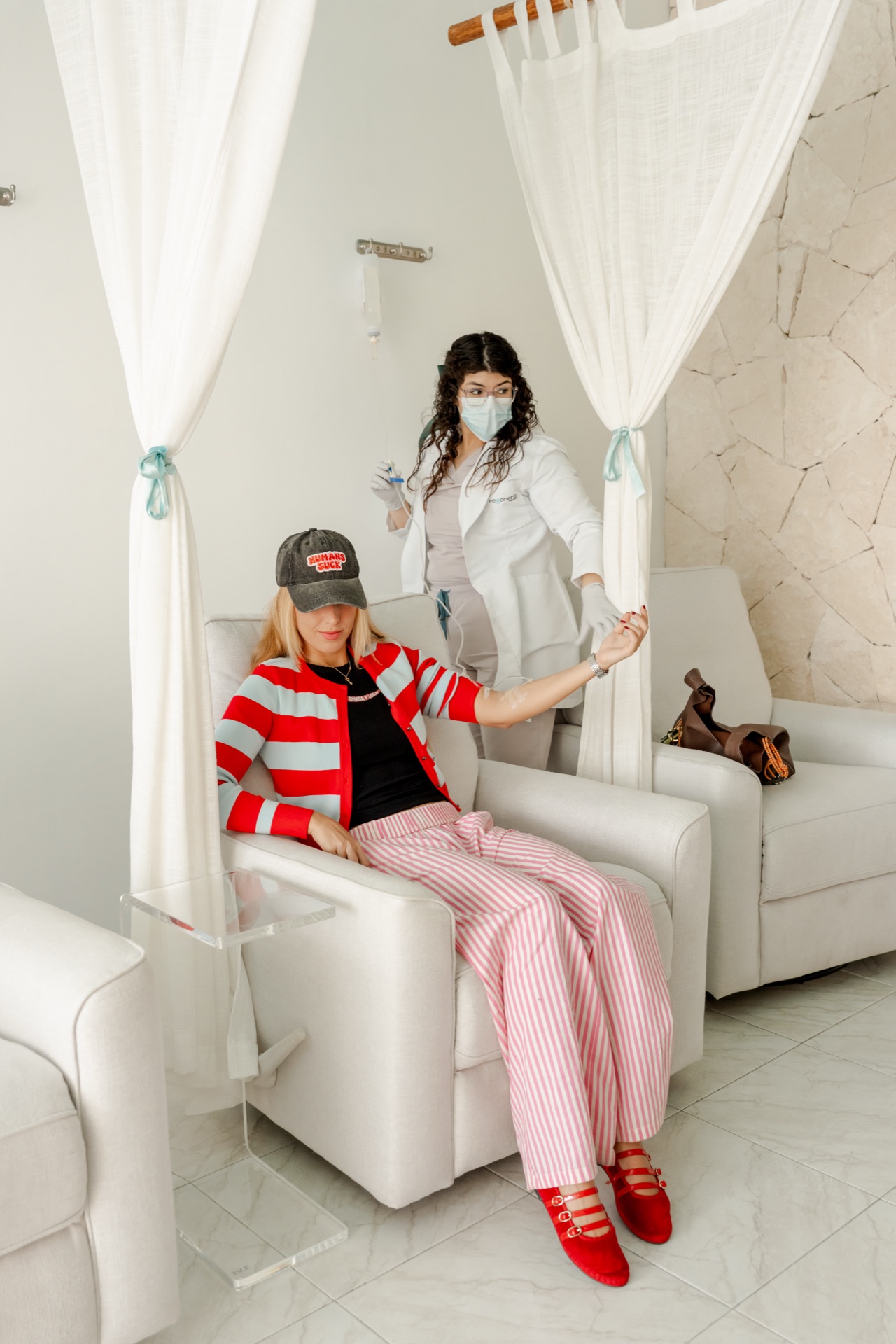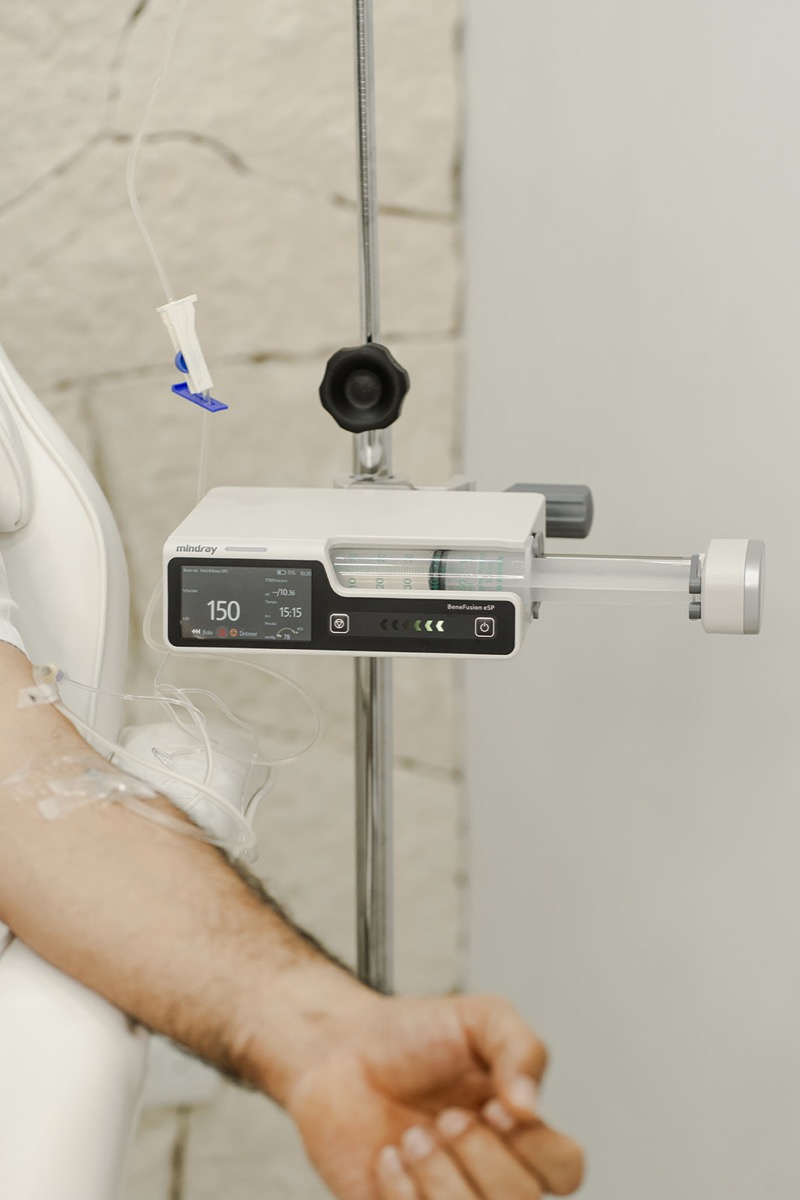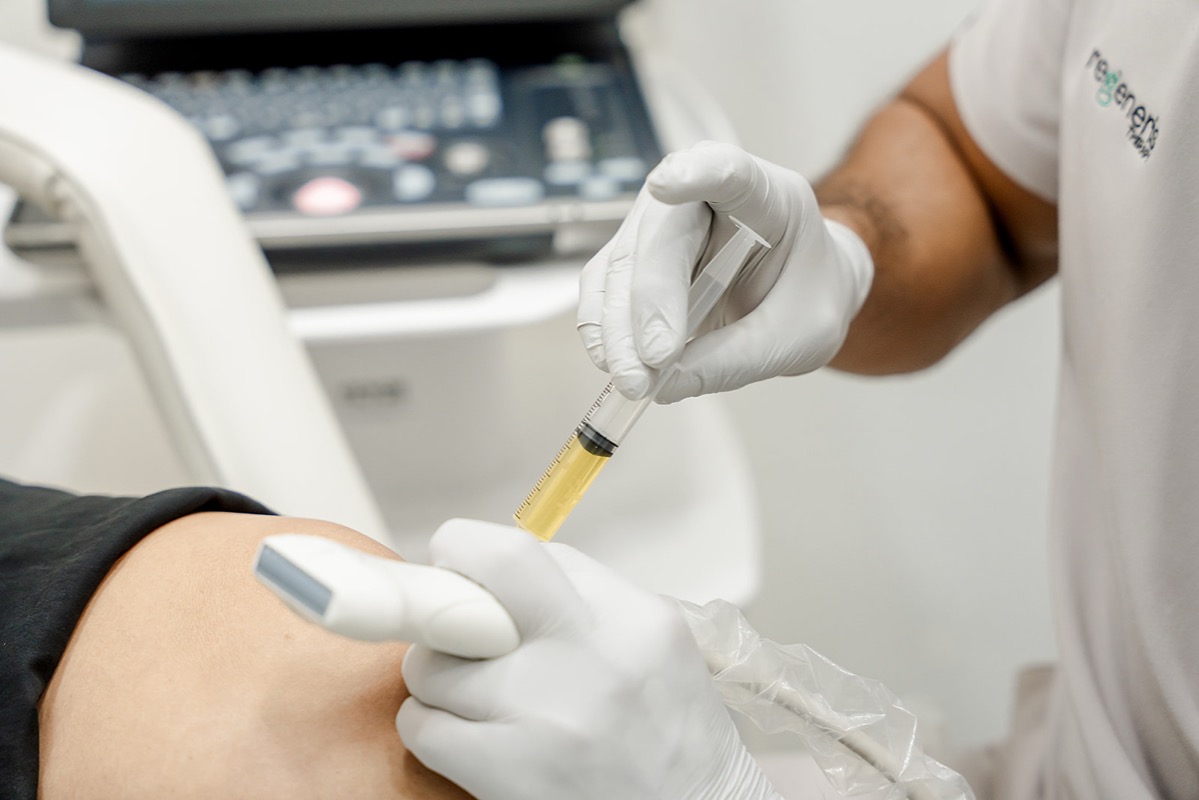

Facial and hair regenerative treatments at Regeneris Therapy combine platelet-rich plasma (PRP), exosome topical serums, and medical microneedling under physician supervision. We are not a spa: every protocol is designed by our medical team, the kits we use are medical-grade and traceable, and our expectations are conservative — measurable improvement in skin quality or hair density over months, not a magazine cover overnight. This is regenerative medicine applied to dermatologic and trichologic indications, with the same honesty standards we bring to our stem cell and exosome programs. Read on for what is included in our facial and hair protocols, the indications we treat, how our clinic differs from cosmetic providers, and what realistic outcomes look like at 4, 6, and 12 months.
What is included: PRP facial, PRP hair, exosome topical serum, microneedling
Our facial and hair menu is built around four clinical tools used alone or in combination. PRP facial is autologous platelet-rich plasma prepared from a small blood draw, then re-injected into the face or applied topically immediately after microneedling — the growth factors (PDGF, VEGF, TGF-β, EGF) signal collagen synthesis and capillary remodeling. PRP hair uses the same preparation injected into the scalp at the level of the hair follicles to extend the anagen (growth) phase and strengthen miniaturized follicles. Exosome topical serum is a pharmaceutical-grade preparation of extracellular vesicles applied immediately after microneedling, providing a concentrated paracrine signal that complements (and in some protocols replaces) PRP for patients who prefer to avoid a blood draw. Medical microneedling is the controlled creation of micro-channels that increase active ingredient delivery by orders of magnitude and trigger the body's wound-repair cascade. For deeper context on the biology, see our PRP therapy and exosome therapy service pages.
Facial indications: texture, fine lines, post-acne scars
On the facial side we focus on three indication groups where the regenerative evidence is strongest and where realistic outcomes can be delivered honestly. Skin texture and tone — dull, sun-damaged, or post-pregnancy skin that has lost its baseline glow — typically responds well to a 3-session course of PRP + microneedling spaced 4–6 weeks apart, with visible improvement starting at week 4 and peaking around month 3. Fine lines and early static wrinkles — peri-orbital, peri-oral, and frontal — improve in roughly 50–70% of patients when treated with the same protocol, though deeper dynamic wrinkles still respond better to botulinum or filler approaches and we will tell you so. Post-acne atrophic scarring (rolling and boxcar types) is one of our strongest indications: combined microneedling + PRP or microneedling + exosome serum across 4–6 sessions yields meaningful scar remodeling in most patients, with optimal results visible at 6 months. We do not treat keloid or hypertrophic scars with PRP — they require different management. Chemical peels and laser are not part of our menu; we focus on biologic regenerative tools.
Hair indications: androgenetic alopecia, telogen effluvium
Hair restoration with PRP and exosomes is best understood as a follicle-preservation and follicle-strengthening strategy, not a follicle-creation strategy. We do not regrow hair where the follicle is permanently scarred and gone — that is the domain of surgical transplant. We do meaningfully strengthen and re-densify hair where the follicle is miniaturized but alive. Androgenetic alopecia — male and female pattern hair loss — is our most common hair indication; PRP sessions every 4–6 weeks for an initial 3–4 sessions then maintenance every 4–6 months can stabilize loss and modestly increase density. Telogen effluvium — diffuse hair shedding after pregnancy, illness, severe stress, or rapid weight loss — usually responds well because the underlying follicles are healthy and just need a regenerative signal to re-enter the growth phase. We also see good outcomes in early traction alopecia (when caught before scarring) and patchy alopecia areata as an adjunct to medical therapy. For a deeper dive specifically on hair, see our hair restoration overview.
How we differ from cosmetic clinics and spas
The growth of medical aesthetics has brought a proliferation of spas and beauty clinics offering 'PRP facials' and 'vampire facials.' We respect that market, but our practice is different in three measurable ways. First, the centrifuge protocol and kit: we use medical-grade, single-use, traceable PRP kits with documented platelet concentration and leukocyte content, not generic tubes. The concentration of growth factors in the final product is roughly an order of magnitude higher than what a basic spa centrifuge produces. Second, the physicians: every procedure is performed or directly supervised by a licensed Mexican physician, not by a technician operating on protocol. We can adjust the depth of microneedling, the volume and number of PRP injections, and the anatomic plan in real time based on what we see. Third, the evidence framework: we treat facial and hair regenerative work as medicine, not beauty service. We document baseline photos, use validated outcome scales when relevant, follow up clinically, and refuse procedures that are not indicated. The difference shows up at month 6, not at the consultation.
Process per treatment: blood draw, spin, injection or topical application, same-day discharge
A PRP session is a same-day in-clinic procedure. We draw 15–30 ml of your blood into a medical-grade PRP kit, centrifuge it for 8–10 minutes to separate the platelet-rich layer, and prepare the injection or topical solution. For facial PRP we typically combine a microneedling pass with topical PRP application, plus targeted injections in priority areas (peri-orbital, mid-face, peri-oral); total chair time is 60–90 minutes. For hair PRP we inject directly into the scalp at multiple sites across the affected zones — patients describe a brief stinging sensation; we offer topical anesthetic or a vibration distractor. For exosome serum protocols the steps are similar but skip the blood draw — microneedling first, exosome serum applied topically, with a 24–48 hour aftercare regimen. Most patients return to normal activities the same day; pinpoint redness on the face usually settles in 24 hours. For more biology background, see our PRP service page.
Combination with stem cells and exosomes
For selected patients we offer combination protocols that integrate facial or hair work with our broader regenerative program. On the hair side, scalp PRP can be paired with a systemic intravenous course of mesenchymal stem cell therapy for patients whose hair loss is driven by an underlying autoimmune or metabolic process — for example, Hashimoto's-driven telogen effluvium, or hair loss as part of a broader inflammatory pattern. On the facial side, exosome serum combined with microneedling can be sequenced with an IV exosome infusion when the patient's goals include both skin appearance and a broader anti-aging plan. We do not push these combinations as upsells; we offer them when the clinical picture supports them, and we are equally comfortable recommending a single-tool protocol when that is the right answer. The principle is simple: the protocol matches the patient.
Realistic outcomes timeline: 4–6 months visible, peak 9–12 months for hair
Honest timelines matter. Facial work: most patients see early skin-quality improvement (brightness, smoother texture) at 3–4 weeks after the first session, with measurable improvement in fine lines and scar depth at 8–12 weeks. The full effect of a 3-session course is best assessed at month 4–6. Hair work: a 4-session initial course typically produces a noticeable reduction in shedding at 8–10 weeks, modest density improvement at 4 months, and the peak visual effect at 9–12 months — because hair growth cycles are slow and a strengthened follicle takes time to produce a thicker shaft and longer anagen phase. We document with consistent photography (same lighting, same angle, same distance) at baseline, 3 months, 6 months, and 12 months — and we share those photographs honestly even when the result is modest. We do not show before/after photos with hidden lighting tricks, and we do not promise results that are not biologically realistic for your starting point.
Maintenance plans and durability
Facial and hair regenerative results are not permanent. The biology underlying your skin and hair continues to age, and the underlying drivers of hair loss (androgens, autoimmune activity, nutritional and hormonal status) continue to operate. We typically recommend a maintenance schedule once the initial course is complete: for facial work, a single PRP + microneedling session every 6–9 months tends to preserve the gain; for hair work, a single maintenance scalp PRP every 4–6 months is standard, paired with continued medical therapy (minoxidil, finasteride, dutasteride when appropriate) which we discuss in consultation. Patients who skip maintenance often see gradual regression starting around month 9–12. We explain this honestly at the planning stage so the cost expectation is clear from day one, and we will tell you if your specific situation is one where maintenance is not necessary.
Schedule a <a href="/en/regenerative-consultation">regenerative consultation</a> to discuss whether PRP, exosomes, or a combined facial and hair protocol is right for your indication. We will give you an honest plan with realistic expectations.