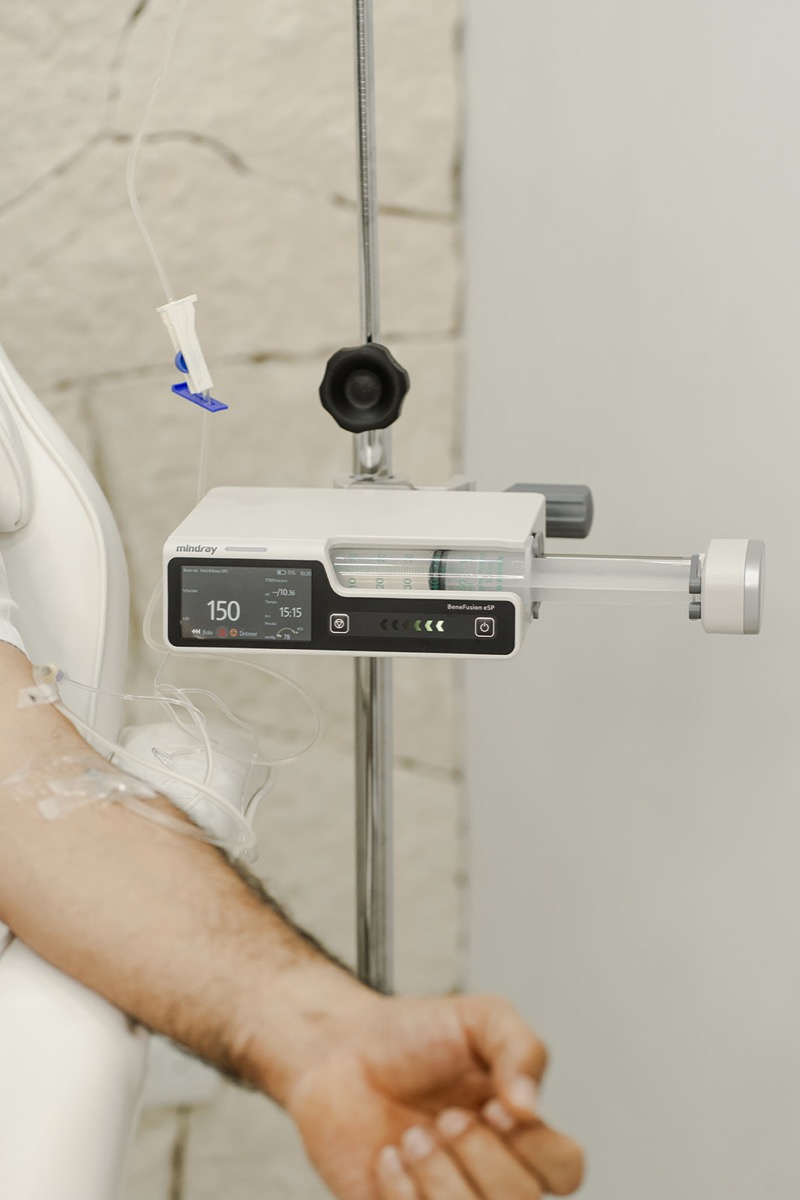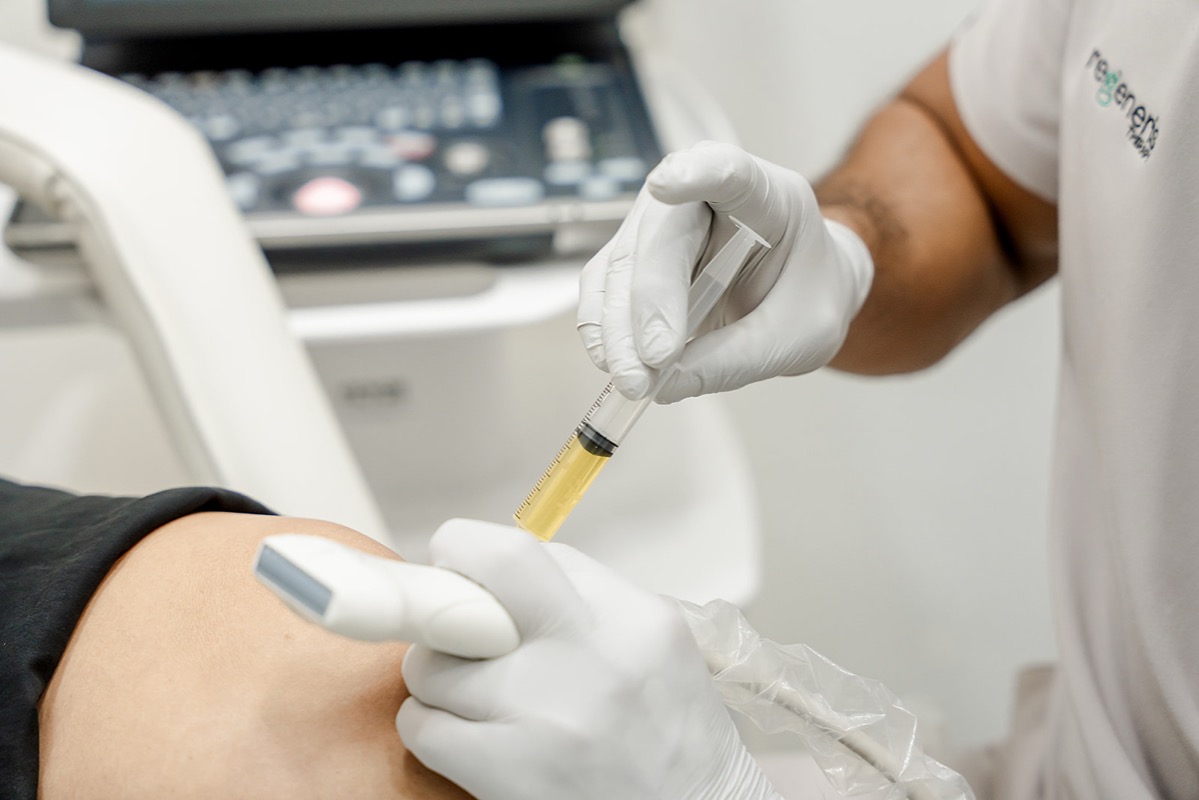



Exosomes are tiny lipid-bilayer vesicles (roughly 30–150 nanometers across) that cells use to communicate with each other. They carry a precise cargo of microRNAs, signaling proteins, and growth factors that can modulate inflammation, immune function, and tissue repair in their target cells. At Regeneris Therapy we use exosomes derived from mesenchymal stem cells (specifically Wharton's jelly UC-MSC) sourced from COFEPRIS-licensed Mexican laboratories. We treat exosome therapy not as a stem-cell replacement but as a complementary, cell-free option with real advantages in dosing precision, route flexibility, and clinical contexts where cell infusion is impractical. Here is what exosomes actually do, where the evidence is strongest, and how we use them in our Cancún clinic.
What exosomes are: cell-free signaling vesicles
Every cell in your body sheds exosomes — small membrane-bound packages, between 30 and 150 nanometers in diameter, that carry a payload of bioactive molecules. Think of them as biological text messages. A cell packages microRNAs, signaling proteins, lipids, and surface receptors into an exosome, releases it into the surrounding fluid, and a nearby (or distant) cell takes it up and 'reads' the message. This is how immune cells coordinate inflammatory responses, how stem cells direct local repair, and how tumors paradoxically prepare distant tissues for metastasis. In regenerative medicine we use exosomes harvested from young, potent stem cells — primarily Wharton's jelly UC-MSC — because their cargo profile is intrinsically anti-inflammatory and pro-regenerative. Compare to our cell-based approach on the stem cell therapy page.
Mechanism: microRNA and protein cargo delivery to target cells
When an exosome reaches a target cell, it either fuses with the cell membrane or is taken up by endocytosis. Once inside, its cargo is released into the cell's cytoplasm. The most studied components are microRNAs (short non-coding RNAs that turn specific genes off or on by binding to messenger RNA), signaling proteins like TGF-β, IL-10, and various growth factors, and surface markers that further refine where the exosome lands. Net effect: the recipient cell shifts its behavior — an inflamed macrophage may switch from a pro-inflammatory M1 state to a tissue-repair M2 state; a stressed fibroblast may upregulate collagen and elastin synthesis; a damaged neuron may receive a survival signal it could not produce on its own. This is the same molecular toolkit MSCs use to do their work — without the cells themselves. The clinical implication is that exosome therapy delivers the regenerative 'signal' directly, with no engraftment, no rejection risk, and no donor-cell viability concerns.