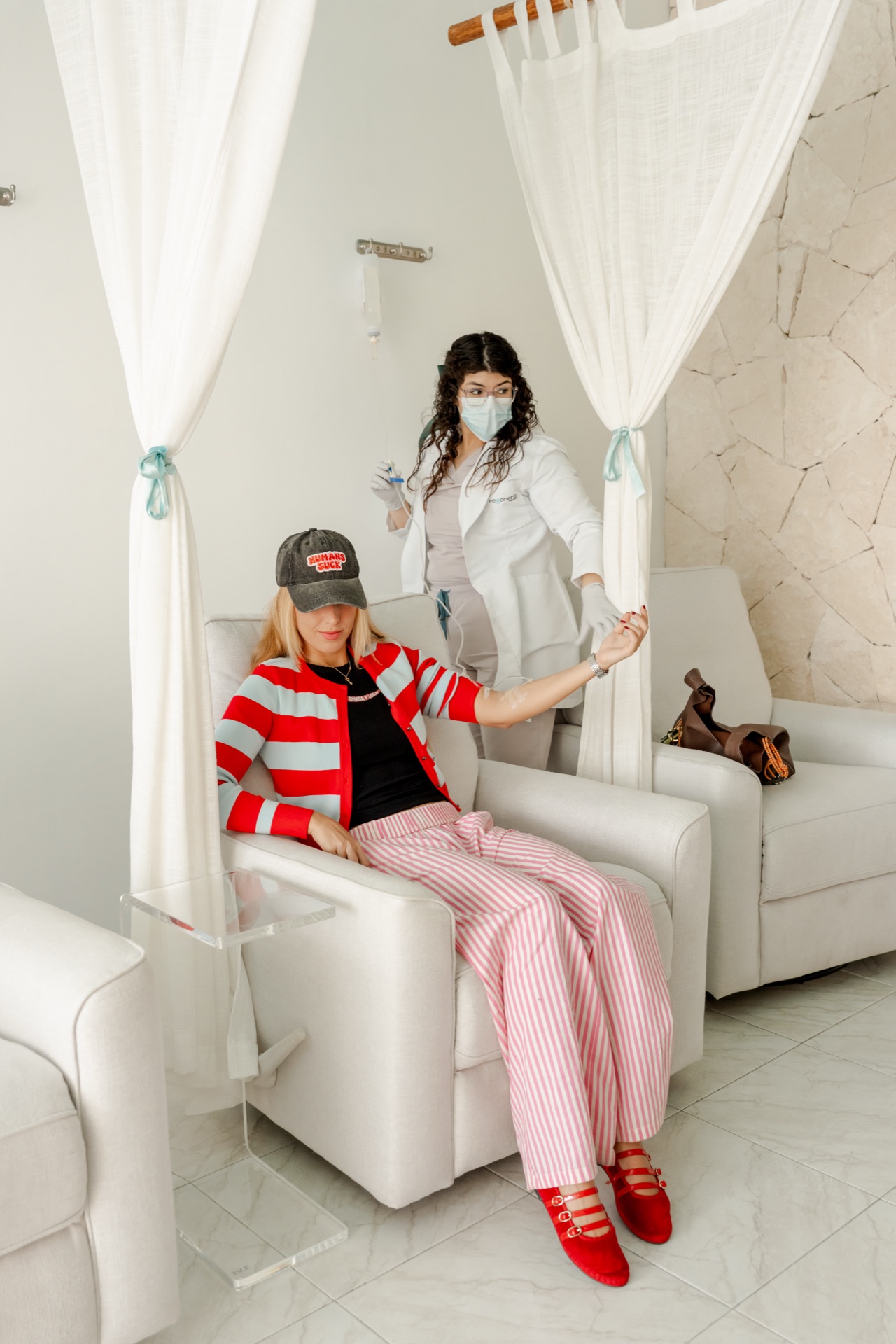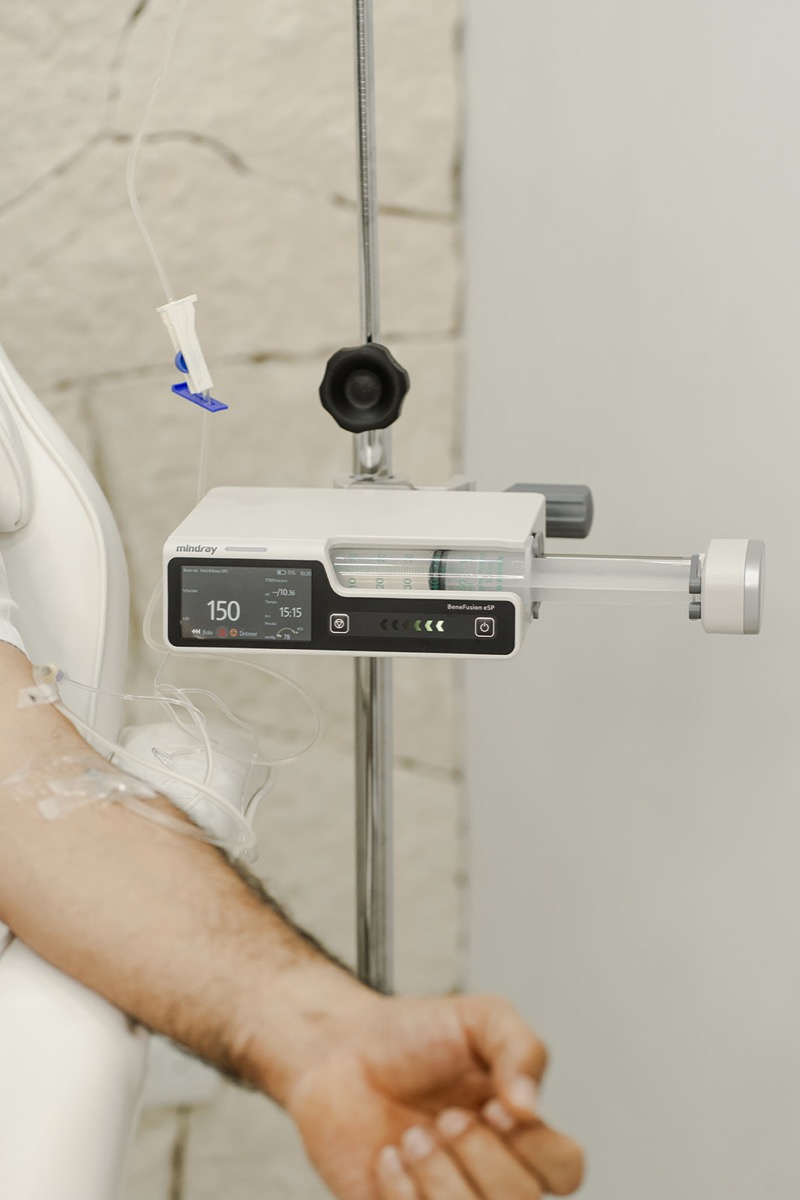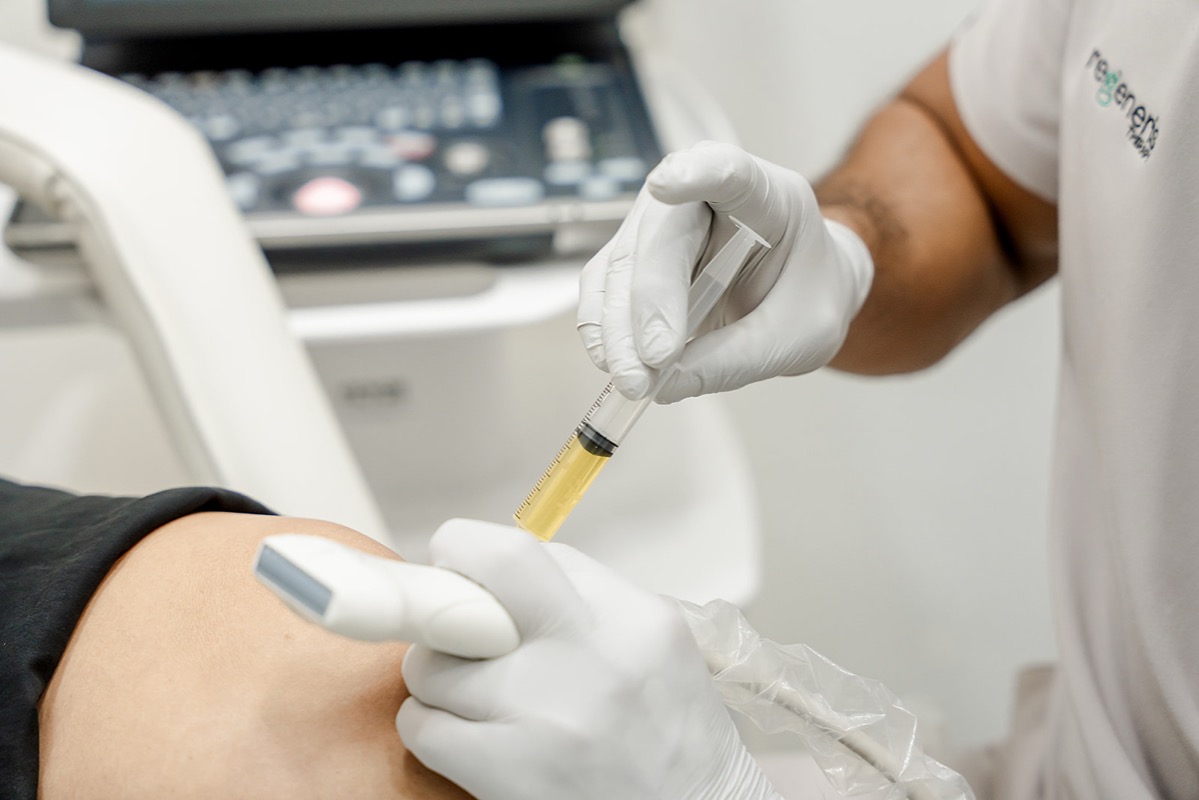
Physical rehabilitation is the half of regenerative medicine that nobody markets and almost everybody underestimates. Cells, growth factors, and exosomes are signals — extraordinarily useful signals — but signals alone do not rebuild a tendon, restore a joint, or return an athlete to sport. The biology needs guidance, and that guidance is mechanical load delivered in the right pattern at the right time. At Regeneris Therapy a structured rehabilitation program is built into every musculoskeletal regenerative protocol, supervised by a physical therapist embedded on our medical team and coordinated with your referring physician back home. We do not hand you a generic exercise sheet and wish you luck. Here is how rehabilitation actually works after regenerative treatment, what the phases look like, and why this matters for your outcome.
Why rehabilitation matters after regenerative treatment
Regeneration is a biological process, but biology does not work in isolation. Tendons, ligaments, cartilage, and muscle all respond to mechanical signals — controlled tension, compression, shear, and motion — that tell the repair cells how to organize the new tissue they are building. Inject the most expensive stem cell preparation into a knee that does not move correctly afterward and you have wasted most of the biology. Inject a modest PRP preparation into a knee that follows a graduated rehabilitation protocol and you may get a strong, durable response. This is not opinion — it is well-established tissue mechanics. The clinical implication is direct: every musculoskeletal regenerative treatment at our clinic comes with a rehabilitation plan, and patients who do the rehab consistently get noticeably better outcomes than patients who do not. We are honest about this on day one because the responsibility is shared.
Our integrated program: PT specialist on the medical team
Most regenerative clinics in Mexico do not have a physical therapist on staff. They perform the procedure and refer the patient back home for rehabilitation — which works for some patients and fails for many because the referring physician may not understand the biology of the regenerative timeline and the standard PT clinic protocol may not match the load schedule that fits the treatment. We do this differently. A licensed physical therapist with regenerative-medicine training sits on our medical team, evaluates every musculoskeletal patient before treatment, designs the supervised protocol, and runs the in-clinic sessions during your stay in Cancún. Once you go home, the same therapist writes a detailed plan and remains available for video check-ins. Coordination is the point: the biology, the technique, and the rehab are designed as one program, not three disconnected steps.
Phase 1 — Acute rest and protection (weeks 1–2)
The first two weeks after a regenerative injection are when the biology is establishing itself. Inflammation is intentional and necessary — the released growth factors and cytokines are doing their job recruiting repair cells — and aggressive activity during this window can disrupt the early matrix being laid down. The protocol in this phase is selective protection rather than total bed rest. For an intra-articular knee injection: ice as needed, NSAID avoidance (these blunt the regenerative signal — see our blog on regenerative versus surgery), short, low-intensity walking on level ground, gentle range-of-motion through pain-free arcs only, and isometric (no-movement) muscle activation to maintain neural drive. For tendon injections: complete avoidance of provocative movements, supportive bracing if needed, light circulation work on adjacent joints. For spinal procedures: postural awareness and avoidance of bending/lifting. The goal of phase 1 is to let the biology start uninterrupted.
Phase 2 — Gentle mobilization (weeks 2–6)
Around the two-week mark the biological environment shifts from acute inflammation to early matrix synthesis. New collagen is being laid down and the repair cells are beginning to respond to mechanical signals. The rehabilitation plan opens up: full range-of-motion exercises through pain-free arcs, low-load resistance work (often body weight or light bands), pool-based exercise where buoyancy reduces joint load while allowing meaningful movement, and the introduction of neuromuscular re-education — exercises that retrain the brain-muscle connections often disrupted by chronic pain. For an athletic patient with a knee injection: bike work, easy elliptical, no running yet. For a tendon patient: graduated isometric loading progressing to slow eccentric work. For a spine patient: core re-engagement, hip mobility, and postural retraining. Our PT supervises the early sessions in-clinic and confirms the home program is being executed correctly before discharge.
Phase 3 — Progressive loading (weeks 6–12)
By six weeks the new tissue is mechanically competent enough to handle progressive loading. This is the phase where the most durable strength and resilience are built and where shortcuts most often cause setbacks. The protocol introduces real resistance training — appropriate to the patient and the joint — and reintroduces sport-specific or activity-specific movements in controlled progressions. A patient returning to recreational tennis will start with slow-court rallies before competitive play; a patient returning to weightlifting will start at percentages of prior maxes and build over weeks; an office worker returning to long days at a desk will integrate postural breaks and core strengthening. The mistake to avoid here is the 'I feel great' jump: patients often feel substantially better around 8–10 weeks and want to jump straight back to pre-injury intensity. We coach against this. The biology is still maturing and a setback at this stage can be worse than the original injury.
Phase 4 — Return to sport / full activity (weeks 12–24)
Return-to-sport (RTS) is the last phase and is not just about feeling ready — it is about meeting objective criteria: symmetric strength compared to the uninjured side, full pain-free range of motion, ability to complete sport-specific movements with proper biomechanics, and successful completion of progressive simulated activity. For athletes this is structured: hop testing for knee patients, throwing progressions for shoulder patients, agility drills before competitive return for athletes in cutting sports. For non-athletes the criteria are functional: walking distance restored, ability to sit through a workday, return to the activities that mattered to the patient. We do not rush this. Patients sometimes ask us to clear them faster because they feel fine; we answer with the criteria, not with the feeling. Tissue takes 3–6 months to fully mature after regenerative treatment, and the data on re-injury rates is unambiguous: rushing RTS doubles the risk of re-injury within the year.
Modalities we use: manual therapy, exercise, BFR, neuromuscular re-education
Our rehabilitation toolbox is matched to the case rather than packaged. Manual therapy — joint mobilization, soft tissue work, myofascial release — is used to restore range of motion and address compensatory patterns that develop from chronic pain. Therapeutic exercise is the foundation: graduated resistance, eccentric loading for tendons, controlled instability work for joints. Neuromuscular re-education addresses the way chronic pain rewires movement; specific drills retrain the brain to use the affected limb correctly. Blood flow restriction (BFR) training is a specialty technique we use selectively — by applying a controlled occlusion cuff during low-load exercise, patients can build strength and muscle mass at lighter loads, which is invaluable in the early-to-mid rehab phases when heavy loading is contraindicated. For complementary therapy options see our pages on knee, spine, and sports medicine.
Coordination with your referring physician back home
Most of our patients travel to Cancún for treatment and return home for the bulk of their rehabilitation. We do not lose contact at the airport. Before discharge our physical therapist generates a written, structured plan — phase-by-phase, with specific exercises, sets, repetitions, and progression criteria — that you take to your local physician or PT clinic. If your referring physician or PT wants to discuss the protocol we are available by phone or video. We also offer video check-ins with our therapist at the 2-, 6-, and 12-week marks (these are included with most musculoskeletal packages and explained at consultation), which allow real-time assessment of form, troubleshooting of pain or hesitation, and progression decisions made jointly. The point is continuity: the rehabilitation does not end when your stay ends.
Cost integration: included with many packages
Rehabilitation is not a separate add-on for most of our patients. The in-clinic supervised sessions during your stay in Cancún, the written home program, and the post-discharge video check-ins are bundled into the cost of orthopedic and sports-medicine regenerative packages. Patients pursuing more complex protocols — return to elite-level competition, post-surgical revision cases, multi-site treatment — may add additional rehabilitation visits at a clearly disclosed per-session rate. Patients who already have a PT they trust at home and want to use that arrangement instead can do so; we provide the protocol and coordinate with their therapist directly. We do not lock patients into rehabilitation services they do not need. Start your evaluation at a regenerative medicine consultation or read more about our broader stem cell therapy protocols.
Treatment is the easy half. Talk to our team about the rehabilitation program that will get you the durable outcome you came for.