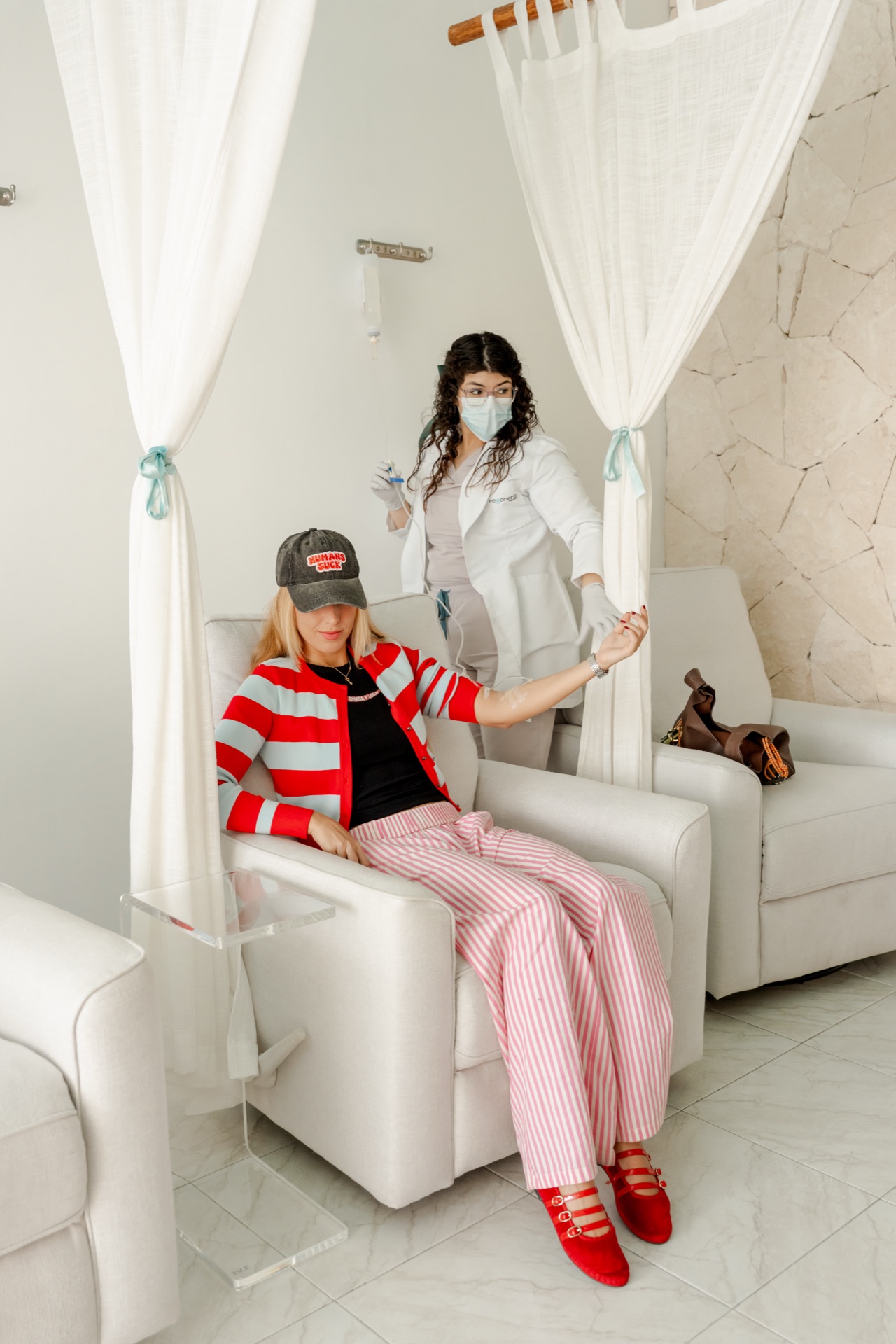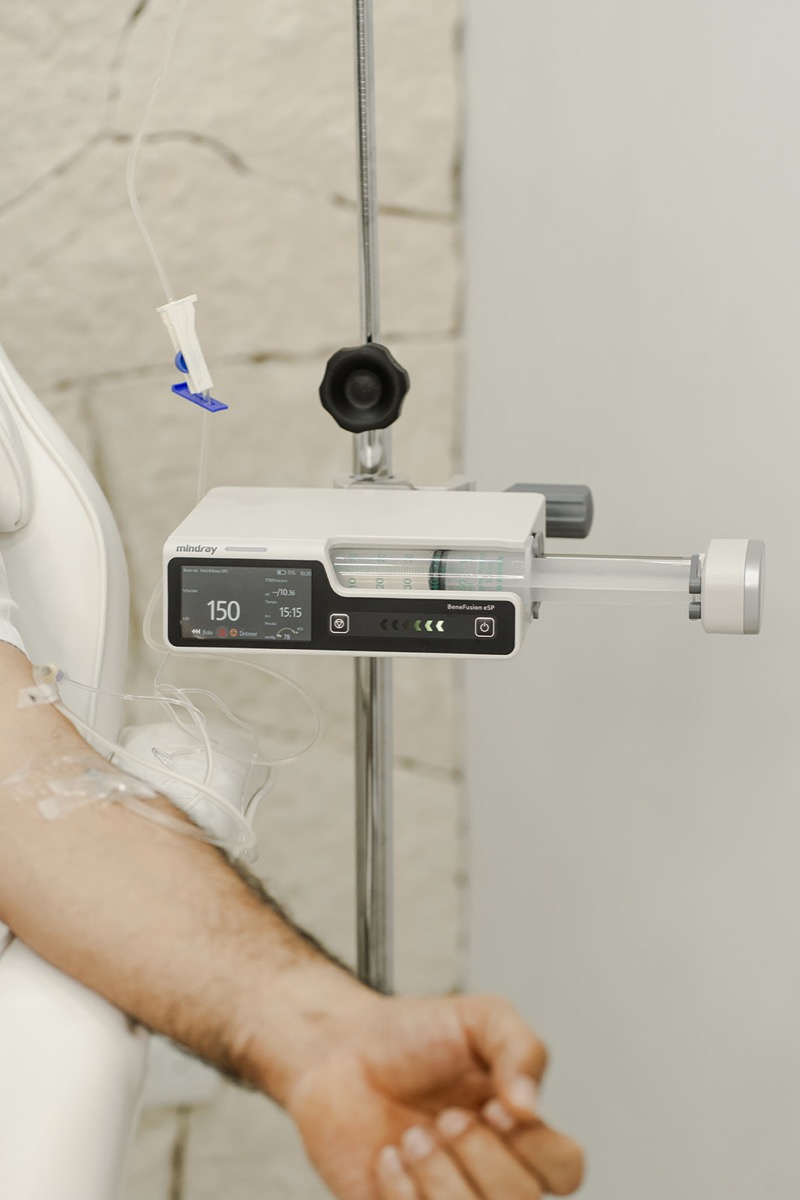
Nerve hydrodissection is an ultrasound-guided procedure that uses a controlled volume of fluid to gently separate a compressed or entrapped peripheral nerve from the surrounding fascia, tendons, scar tissue, or muscle that is squeezing it. When the right indication meets the right operator, it is one of the most elegant interventions in regenerative musculoskeletal medicine — minimally invasive, low-risk, often performed in under thirty minutes, and capable of producing immediate pain and sensory relief that lasts months or, in selected cases, years. At Regeneris Therapy hydrodissection is performed by physicians trained in interventional ultrasound, using dextrose 5%, saline, PRP, or MSC supernatant depending on the indication. It is a specialty technique many clinics in Mexico do not offer. Here is what it actually is and when it is the right next step.
What hydrodissection actually is
Hydrodissection translates literally — 'water dissection' — and is exactly what the word implies. Under real-time ultrasound visualization, a fine-gauge needle is advanced toward a target nerve, and a controlled volume of fluid (usually 5 to 30 mL) is injected slowly into the immediate perineural space. The fluid mechanically separates the nerve from the surrounding tissue that has been compressing it: thickened transverse carpal ligament over the median nerve, scar tissue from previous surgery, hypertrophied muscle, or fibrous bands that have formed after chronic inflammation. The separation is visualized in real time on the ultrasound screen — you can literally see the nerve 'float free' as the fluid creates a cushion around it. The mechanical effect is half the story. The biochemical content of the fluid — dextrose, PRP, MSC supernatant, or exosomes — adds a neuroregenerative signaling layer that supports nerve healing over the following weeks.
Indications: where the evidence is strongest
Hydrodissection has the strongest published evidence and the clearest clinical effect in peripheral nerve entrapment syndromes. The most common indications we treat are carpal tunnel syndrome (median nerve at the wrist, by far the most studied), cubital tunnel syndrome (ulnar nerve at the elbow), meralgia paresthetica (lateral femoral cutaneous nerve at the inguinal ligament), tarsal tunnel syndrome (posterior tibial nerve at the ankle), and occipital neuralgia (greater and lesser occipital nerves at the suboccipital region). Hydrodissection is also useful for post-surgical nerve entrapment — a frustrating complication where scar tissue from a previous operation traps a peripheral nerve and produces neuropathic pain that does not respond to conventional analgesics — and for selected cases of pudendal neuralgia, intercostal neuralgia, and small-fiber neuropathies with focal entrapment. Indications outside these categories are assessed individually and we will tell you honestly if hydrodissection is not the right tool.
Substances we use: dextrose 5%, saline, PRP, MSC supernatant
The choice of injectate matters and is matched to the case. Dextrose 5% in water (D5W) is the workhorse — inexpensive, well-tolerated, neutral pH, and supported by good published evidence for routine entrapment syndromes. The mild osmotic effect of dextrose also appears to modulate small fibers in a way that contributes to analgesia, an effect referred to in the regenerative literature as 'perineural injection therapy.' Sterile saline is used when even dextrose is contraindicated. Platelet-rich plasma is selected when the indication has a meaningful inflammatory or chronic component — see PRP therapy — and the growth factors released from PRP support nerve fiber recovery. MSC supernatant (the conditioned media from cultured mesenchymal stem cells) and exosome preparations add an even richer signaling cocktail; we reserve these for refractory cases, multi-site entrapment, or cases with significant nerve damage on prior imaging. Some protocols layer substances in a single visit; we explain the reasoning and pricing.
How it works: mechanical separation plus biochemical signaling
The therapeutic mechanism of hydrodissection has two distinct components. The mechanical component is straightforward: by inserting a layer of fluid between the nerve and its compressing tissue, you relieve the direct pressure that is causing the symptoms. In a sense, hydrodissection is doing what carpal tunnel surgery does — releasing the nerve — but through a needle, with no incision, no general anesthesia, and no months-long recovery. The mechanical separation typically holds for weeks to months as the body slowly remodels the tissue plane. The biochemical component depends on the injectate. Dextrose appears to modulate transient receptor potential channels on small nerve fibers; PRP delivers a pulse of growth factors including platelet-derived growth factor, vascular endothelial growth factor, and brain-derived neurotrophic factor; MSC and exosome preparations carry an even broader range of neurotrophic signals. The combination of mechanical relief and biological signaling explains why effects often outlast the simple residence of the fluid.
Safety: one of the safest peripheral interventions
Hydrodissection performed under continuous ultrasound visualization by a trained operator is one of the safest interventions in interventional musculoskeletal medicine. The needle is visualized in real time, the nerve is visualized in real time, and the fluid distribution is observed throughout the injection. The most common side effects are minor — transient soreness at the entry site, mild bruising, a brief paresthesia (tingling) sensation when the perineural cushion is first established — and resolve within hours to a day. Direct nerve injury is exceedingly rare with proper technique because the operator can see the nerve and avoid it; vascular puncture is similarly rare because vessels are also visualized. Infection rates are very low when sterile preparation is observed. There are no fluoroscopy contraindications because no fluoroscopy is used; pregnant patients can be treated safely. Patients on anticoagulation, with active local infection, or with severe allergy to local anesthetic are managed individually. Find a full overview of options on our stem cell therapy page.
Realistic outcomes: pain and sensory improvement, functional recovery
The honest outcome data for hydrodissection is encouraging. For carpal tunnel syndrome — the most studied indication — randomized trials show meaningful pain and sensory improvements that are equivalent to or superior to corticosteroid injection at 6 months, without the cartilage- and tendon-damaging effects of repeated steroid use. Functional measures (grip strength, fine motor performance, sleep quality) improve in parallel. For cubital tunnel and tarsal tunnel, effect sizes are similar though the published evidence is less extensive. For occipital neuralgia and meralgia paresthetica, single-session responses are often dramatic and durable. For post-surgical nerve entrapment, results are more variable because the underlying scar architecture is more complex; we often plan a series of 2–3 sessions and explain that hydrodissection here is part of a broader pain-management strategy rather than a single-shot fix. We do not promise a cure for any nerve condition. We do promise honest assessment and image-guided precision.
Why we offer hydrodissection
Hydrodissection is a specialty technique. It requires ultrasound expertise, a precise understanding of peripheral nerve anatomy, and the patience to do the procedure right — there are no shortcuts and there is no place for blind technique. Many Cancún clinics, including some that market themselves as regenerative medicine centers, do not offer hydrodissection because the technical demands are high and the procedure does not lend itself to mass-marketed packages. We offer it because the patient who needs it has very few alternatives: cortisone injections that thin tissue and offer only weeks of relief, surgery that is irreversible and not always successful, or chronic neuropathic pain medications with significant side effects. For the right patient, hydrodissection sits in a sweet spot — low risk, fast recovery, often immediate symptom relief, and the option to repeat or escalate if response is incomplete. Start your evaluation at a regenerative consultation.
Hydrodissection is a precision technique. Talk to our team about whether the nerve causing your symptoms is the kind that responds to it.